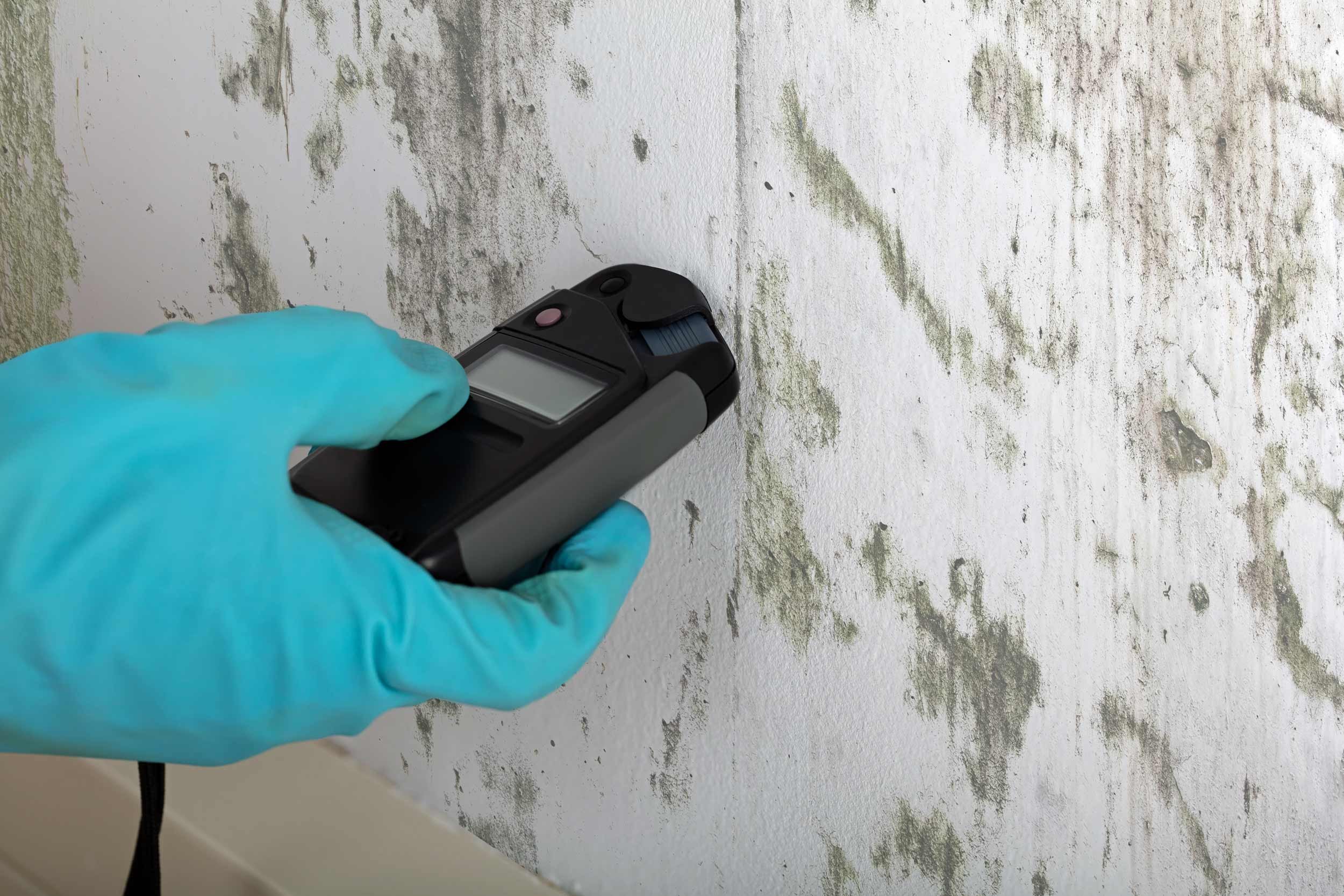
Learn About Mold Contamination Symptoms In Buildings
A mold causes the same symptoms that emerge in other upper respiratory allergies. Signs of allergic rhinitis caused by a mold allergy can have the following:
Sneezing
Runny or stuffy nose
Cough and postnasal drip
Itchy eyes, nose, and throat
Watery eyes
Dry, scaly skin
These are just some of the symptoms of mold exposure. There are hundreds of different types of molds out there, some are white and fuzzy while others are black in color. These are some of the most common molds found;
Acremonium
Alternaria
Aspergillus
Cladosporium
Fusarium
Mucor
Penicillium
Rhizopus
Stachybotrys
Trichoderma
Trichophyton
While these are the most common types of mold found inside of homes:
The Most Common Indoor Molds:
Cladosporium: Often appears as black or dark green pepper-like spots. It commonly grows in cool, damp areas like basements, window sills, and HVAC systems.
Penicillium: Typically looks like a blue, green, or yellow fuzzy patch. It spreads quickly and is frequently found on water-damaged building materials like drywall, wallpaper, and under carpets.
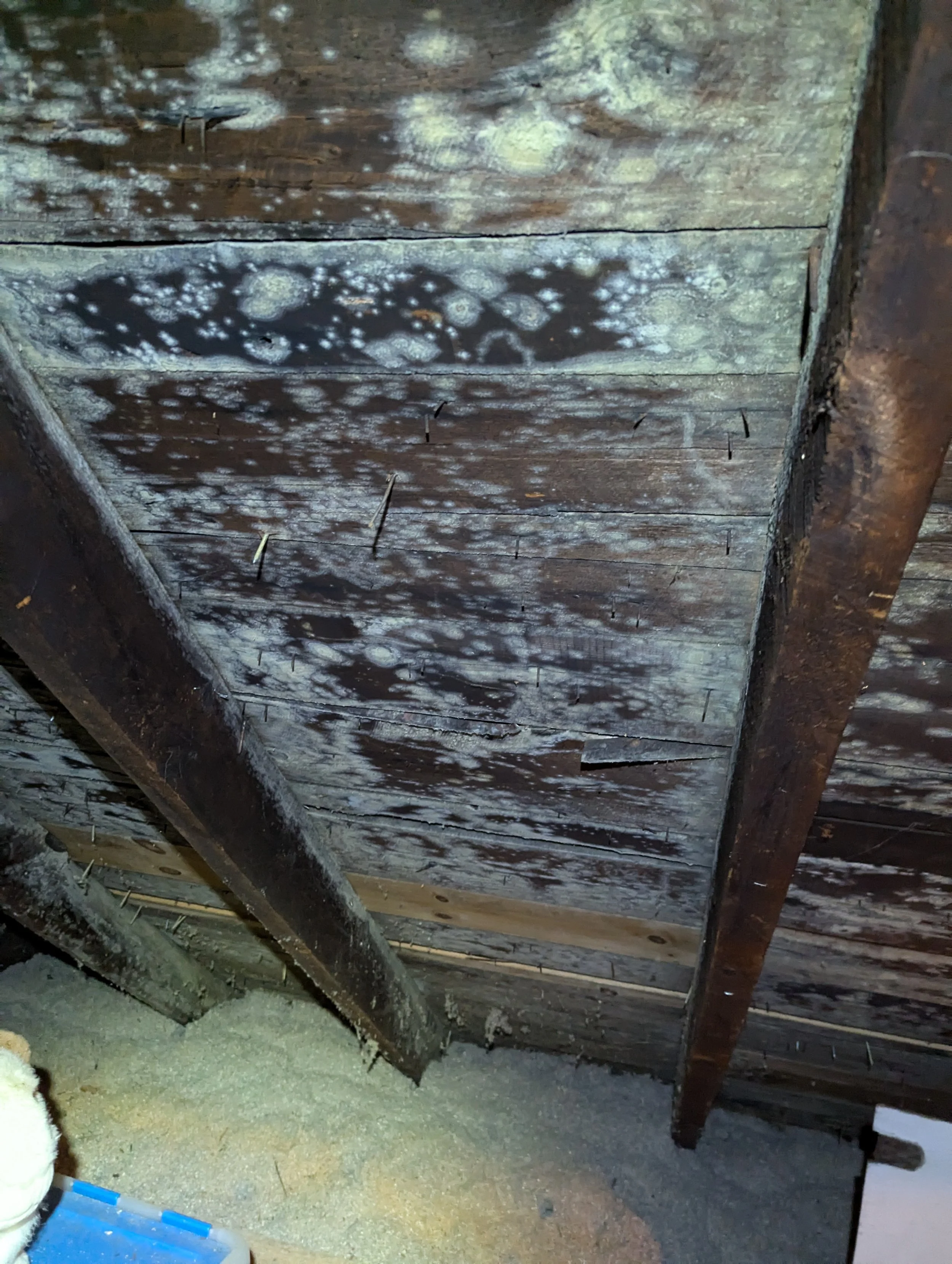
Aspergillus: Can appear in a variety of colors but is often yellowish-green, gray, or white with a powdery texture. It thrives in warm, damp environments and frequently grows on attic roof sheathing or inside ventilation systems.
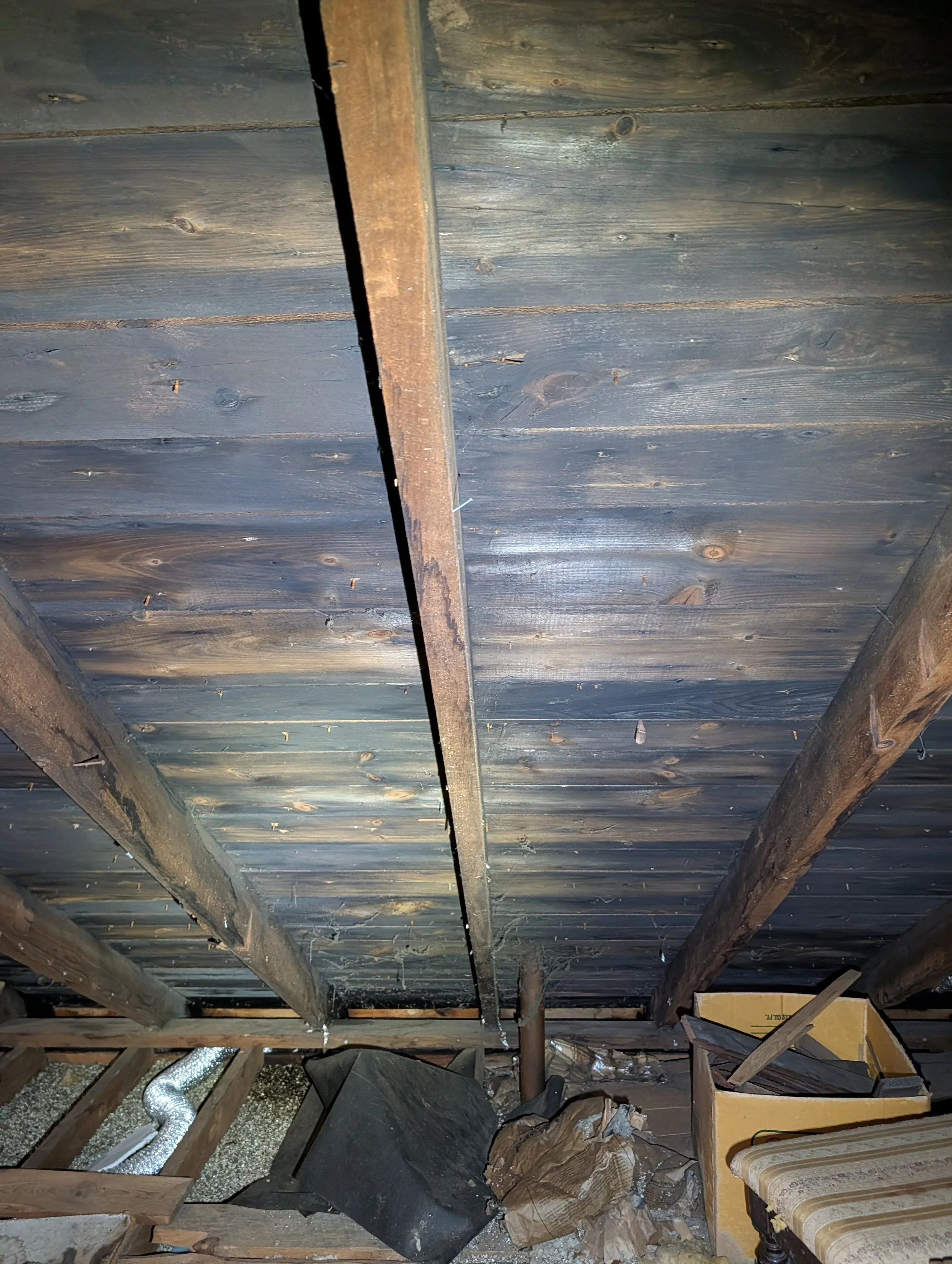
Cladosporium in an Attic: Notice the dark, pepper-like staining on the wood framing. This type of mold thrives when attics lack proper ventilation, trapping damp air.
“Daniel is a serious, knowledgeable professional who is reliable, communicates well, and does a great job. I couldn’t be happier with him and would hire him again without hesitation.”
Aspergillus on Roof Sheathing: This often appears as a yellowish-green, gray, or white powdery layer. It spreads quickly across the wood when warm, moist air from the house gets trapped in the attic.